Crop Rotation Plans for Better Soil Fertility
Crop rotation is a time-honored agricultural practice that involves growing different crops in a sequential manner on the same land. This method is fundamental to sustainable soil management, as it helps maintain soil health, reduce pest and disease pressure, and optimize nutrient use. By carefully planning the sequence of crops, farmers can prevent soil depletion and enhance overall field productivity. This article explores the principles behind crop rotation, presents five common rotation patterns, and offers guidance on designing a rotation plan tailored to specific conditions.
Soil fertility is not a static property; it evolves with every growing season. Continuous monoculture, or growing the same crop year after year, can deplete specific nutrients, encourage the buildup of pests and pathogens, and degrade soil structure. Crop rotation mitigates these issues by diversifying the plant species grown, each with unique root structures, nutrient demands, and interactions with soil organisms. Understanding these dynamics is essential for developing effective rotation schemes that support long-term soil health.
In the context of Estonian agriculture, where climate and soil types vary, crop rotation must be adapted to local conditions. The cool temperate climate and relatively short growing season influence which crops can be grown and how they sequence. Nevertheless, the fundamental principles remain applicable across different regions, and the following patterns serve as foundational templates that can be modified to fit specific environments.
Fundamentals of Crop Rotation
At its core, crop rotation is about managing the biological and chemical properties of the soil through crop diversity. Different plant families have varying nutrient requirements and root architectures. For example, legumes, such as peas and beans, have the unique ability to fix atmospheric nitrogen through symbiotic bacteria, enriching the soil for subsequent crops. Root crops like carrots and beets penetrate deep into the soil, improving aeration and breaking up compaction. Leafy crops, such as cabbage and lettuce, have shallow roots and high nitrogen needs, but their residue adds organic matter to the topsoil.
Rotating crops also disrupts the life cycles of soil-borne pests and diseases. Many pests and pathogens are host-specific and thrive when their preferred host is continuously available. By alternating unrelated crop families, these organisms are deprived of their food source and their populations decline naturally. This biological control reduces the need for chemical interventions, aligning with sustainable agricultural practices.
Weed management is another benefit of crop rotation. Different crops with varying planting times, growth habits, and canopy structures create an unfavorable environment for weed establishment. For instance, a dense, fast-growing crop can shade out weeds, while a row crop allows for mechanical cultivation. By varying these conditions, farmers can reduce weed pressure without relying solely on herbicides.
Nutritionally, crop rotation optimizes the use of soil nutrients. By alternating crops with high nutrient demands with those that replenish or have lower requirements, the soil’s nutrient pool is balanced. For example, following a heavy feeder like corn with a legume or a light feeder like oats can help restore nutrient levels and reduce the need for synthetic fertilizers.
Five Common Crop Rotation Patterns
1. Classic Three-Year Rotation
This simple pattern involves a three-year cycle with three distinct crop types: a legume, a root crop, and a leafy crop. For example, year one might be beans, year two carrots, and year three cabbage. This rotation leverages the nitrogen-fixing ability of legumes, the soil-loosening effect of root crops, and the high biomass of leafy crops. The sequence can be adjusted based on local conditions, but the core idea is to alternate plant families to maintain soil health.
2. Four-Year Rotation with Sod
Including a sod-forming grass or legume mix in a four-year rotation provides a rest period for the soil. A typical cycle might be corn, soybeans, oats, and a clover or alfalfa pasture. The sod phase builds organic matter, improves soil structure, and breaks pest cycles. This pattern is particularly suited to livestock operations where the sod can be grazed or harvested for hay.
3. Legume-Intensive Rotation
For farmers seeking to minimize external inputs, a legume-intensive rotation can be effective. This might involve alternating soybeans or peanuts with small grains like wheat or barley, with a leguminous cover crop in the off-season. The frequent inclusion of legumes enhances nitrogen availability while the cover crops protect soil from erosion and add organic matter.
4. Root Crop Rotation
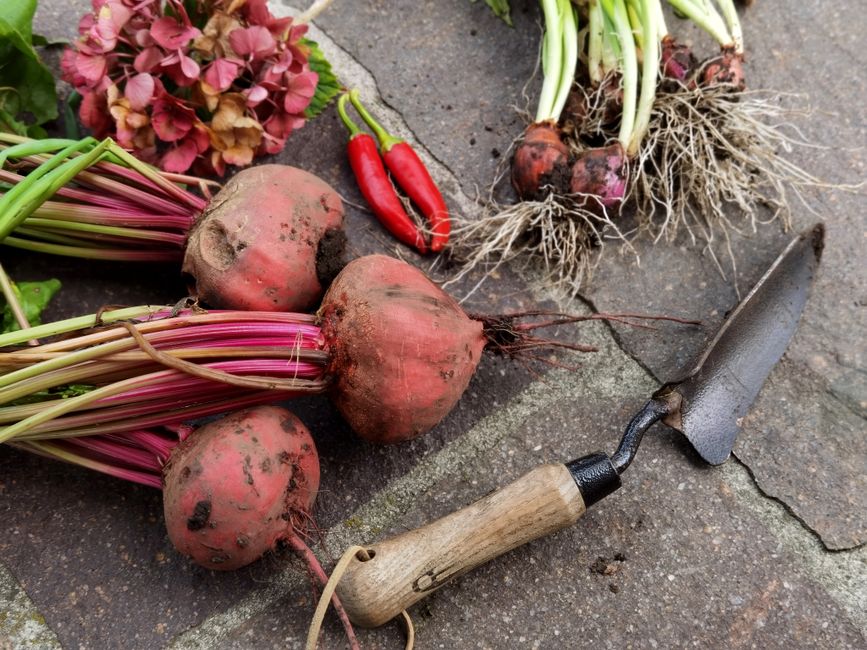
Root crops such as potatoes, beets, and carrots have distinct requirements and benefits. A rotation centered on these crops might be potatoes, followed by onions, then a green manure crop like mustard, and finally a cereal like rye. The deep roots of root crops improve soil aeration, while the green manure adds organic matter and suppresses weeds.
5. Cover Crop-Based Rotation
Cover crops are not harvested but grown to protect and enrich the soil. A rotation that integrates cover crops might be: cash crop (e.g., corn), followed by a winter cover crop (e.g., cereal rye), then a legume cash crop (e.g., peas), and another cover crop (e.g., buckwheat). This pattern keeps the soil covered as much as possible, reducing erosion and enhancing soil microbial activity.
Designing Your Own Rotation Plan
Creating a custom crop rotation plan requires careful consideration of several factors. Begin by assessing your soil’s nutrient status and structure through testing. This baseline data will help you select crops that address specific deficiencies. For instance, if nitrogen is low, prioritize legumes; if organic matter is low, incorporate high-biomass crops or cover crops.
Climate and growing season length are critical constraints. In Estonia, the growing season is relatively short, so you must choose crops that mature within that window. Cold-hardy crops like rye, barley, and certain legumes are suitable. Additionally, consider the market demand and your farm’s infrastructure. Rotations should not only benefit the soil but also be economically viable.
Another key aspect is understanding the nutrient demands of each crop. Heavy feeders like corn and cabbage deplete nutrients, while light feeders like root vegetables and legumes are more efficient or even replenish. A well-designed rotation alternates these groups to maintain balance. It is also advisable to group crops by plant family to avoid consecutively planting related species, as this reduces pest and disease risks.
Timing and sequencing matter. Some crops can be followed by a cover crop or a green manure to keep the soil covered during fallow periods. Others may require specific preceding crops to optimize growth. For example, potatoes thrive after legumes due to the residual nitrogen. Planning the transition between crops, such as considering residue management and planting dates, ensures a smooth succession.
Finally, rotation plans are not static; they should be flexible. Monitor field conditions, pest and weed pressures, and yields. Adjust the plan as needed, incorporating new insights or changes in market opportunities. A rotation plan is a living document that evolves with your experience and the changing environmental conditions.
A thoughtful crop rotation plan is a cornerstone of sustainable soil management, enhancing fertility and resilience without relying on synthetic inputs.
Benefits and Considerations
The benefits of crop rotation extend beyond soil fertility. Diversified cropping systems often have improved water infiltration and retention, reducing the risk of drought stress. They also support a wider range of beneficial organisms, including pollinators and natural pest enemies. Environmentally, rotations reduce the need for chemical inputs, lower the carbon footprint, and can contribute to climate change mitigation through increased carbon sequestration.
However, rotation planning requires knowledge and foresight. It may involve learning about the specific requirements of each crop and how they interact. There is also a financial dimension: sometimes, the most soil-beneficial rotation may not align with immediate market demands. Therefore, a balance must be struck between ecological goals and economic realities.
In Estonia, where agriculture is characterized by a mix of crop and livestock farming, rotations can be tailored to include forage crops for animals. This integration not only provides feed but also enriches the soil through manure application. Thus, rotation plans can be part of a holistic farm management strategy.
While crop rotation is a powerful tool, it is important to remember that it is just one component of soil fertility management. Other practices, such as conservation tillage, organic amendments, and careful irrigation, work synergistically with rotation. A comprehensive approach yields the best long-term results.