Companion Planting for Natural Pest Control
Companion planting is a time-honored gardening practice that involves placing certain plants in close proximity to benefit each other. One of the primary goals of this technique is natural pest control, where specific plants are used to deter unwanted insects and other organisms. By understanding the relationships between different species, gardeners can create a more balanced and resilient ecosystem in their plots. This approach aligns with sustainable gardening principles, reducing the need for chemical interventions and promoting biodiversity.
In this guide, we will explore the science and application of companion planting, focusing on which plants are known to repel pests and which combinations work well together. Whether you are a beginner or an experienced gardener, understanding these pairings can help you plan a more productive and harmonious garden. We will also consider the context of Estonia’s climate and growing conditions, as local factors can influence the effectiveness of these methods.
Understanding Companion Planting
Companion planting is based on the idea that certain plants can have positive effects on their neighbors, whether by deterring pests, attracting beneficial insects, or enhancing growth. The mechanisms behind these interactions are diverse. Some plants emit strong scents that mask the odor of more vulnerable crops, confusing pests that locate their hosts by smell. Others produce chemical compounds in their roots or leaves that repel soil-dwelling organisms. Additionally, some companion plants attract predatory insects that feed on common garden pests, providing a natural form of biological control.
It is important to note that companion planting is not an exact science, and results can vary based on many factors, including soil health, weather, and regional pest populations. However, many traditional pairings have stood the test of time and are widely used by organic gardeners. When planning your garden, it can be helpful to start with a few well-documented combinations and observe how they perform in your specific environment.
For instance, marigolds are often cited as a versatile companion plant due to their ability to deter nematodes and other soil pests. Their strong scent is also believed to repel whiteflies and aphids. Similarly, herbs like basil and mint can serve dual purposes, adding culinary value while also providing pest-repelling properties. By incorporating these plants strategically, you can create a more resilient garden.
Key Pest-Repelling Plants and Their Benefits
Several plants are particularly renowned for their pest-repelling qualities. Below is a list of some of the most effective options and the types of pests they are thought to deter.
- Marigolds: Known to repel nematodes, aphids, and whiteflies. They are often planted around vegetable crops such as tomatoes and peppers.
- Basil: Helps repel flies and mosquitoes, and is commonly planted near tomatoes to improve growth and flavor.
- Chives: Deter aphids and carrot flies, making them good companions for carrots and roses.
- Nasturtiums: Act as a trap crop for aphids, drawing them away from other plants. They also repel squash bugs and whiteflies.
- Garlic: Repels aphids, spider mites, and Japanese beetles. It is often planted near roses and fruit trees.
- Mint: Repels ants, fleas, and moths. However, mint can be invasive, so it is best planted in containers.
When using these plants, it is important to consider their growth habits and compatibility. For example, mint’s aggressive spread can overshadow neighboring plants, so container planting is often recommended. Similarly, some herbs may alter soil conditions over time, which can affect subsequent crops.
In addition to pest repellence, many companion plants attract beneficial insects such as ladybugs, lacewings, and parasitic wasps. These predators help keep pest populations in check, contributing to a balanced ecosystem. Flowers like dill, fennel, and yarrow are excellent for attracting these helpful species. By including a mix of repellent and attractive plants, you can create a synergistic effect that enhances natural pest control.
Effective Plant Pairings for Your Garden
Certain combinations are particularly well-suited for mutual benefits. The following list outlines some proven pairings that can be incorporated into your garden plan.
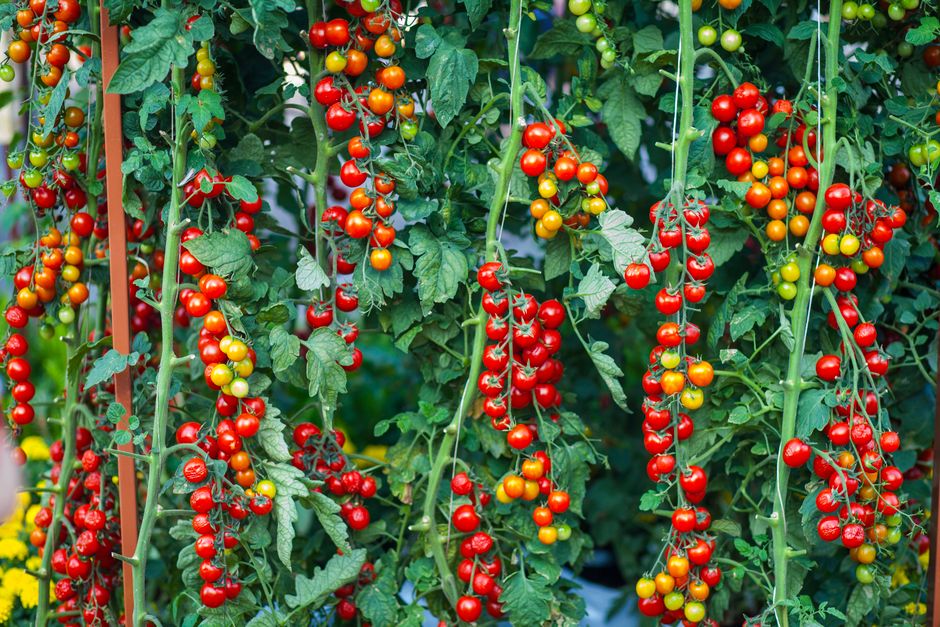
- Tomatoes and Basil: Basil is believed to improve tomato flavor and repel flies and mosquitoes. This pairing is a classic in many gardens.
- Carrots and Onions: The strong smell of onions can mask the scent of carrots, helping to deter carrot flies.
- Cabbage and Nasturtiums: Nasturtiums act as a trap crop for aphids, which may otherwise infest cabbage plants.
- Cucumbers and Radishes: Radishes can deter cucumber beetles, while cucumbers provide ground cover that suppresses weeds.
- Lettuce and Chives: Chives repel aphids and can also enhance the growth of lettuce.
When planning these pairings, it is essential to consider spacing and light requirements. For example, tall plants like tomatoes may shade shorter companions, so it is important to place them accordingly. Additionally, rotating companion pairs each year can help prevent soil depletion and reduce the buildup of pests and diseases.
In Estonia, where the growing season is relatively short, it is crucial to make the most of available space. Companion planting can be particularly useful for maximizing yields and minimizing pest problems without relying on chemicals. By selecting early-maturing varieties and using cold frames or greenhouses, gardeners can extend their season and benefit from these associations.
Implementing Companion Planting in Estonia
Estonia’s climate is characterized by cool summers and relatively long daylight hours during the growing season. These conditions favor certain pests, such as slugs and aphids, which can be problematic in gardens. Companion planting can be an effective strategy to mitigate these issues, but local adaptations may be necessary.
For instance, slugs are a common challenge in Estonian gardens. While companion planting alone may not completely protect against slugs, combining it with other methods such as barriers and handpicking can be successful. Plants like chives and garlic may help, but their effectiveness can vary. It is also important to choose varieties that are well-adapted to the local climate, as healthier plants are more resilient to pest damage.
Another consideration is the use of native plants as companions. Native species are naturally adapted to the region’s pests and pollinators, and they can provide habitat for beneficial insects. Incorporating plants like yarrow, which is native to Estonia, can support natural pest control by attracting predatory wasps and ladybugs.
Additionally, the soil in Estonia tends to be acidic and nutrient-poor, so amending the soil with compost or organic matter can improve plant health and vigor. Healthy plants are better able to withstand pest attacks, making companion planting more effective.
Practical Tips for Success
To make the most of companion planting, consider the following practical suggestions. First, plan your garden layout carefully, taking into account the mature size of each plant and their light and water needs. Use a sketch or a garden planner to visualize your design.
Second, start small. You do not need to implement every pairing at once. Choose a few combinations that address your most pressing pest issues and observe how they perform over the season. Keep records of what works and what does not, as local conditions may influence results.
Third, integrate companion planting with other sustainable practices, such as crop rotation and organic soil amendments. This holistic approach can enhance the resilience of your garden and reduce reliance on any single method.
Finally, be patient. Natural pest control methods often take time to become effective, as beneficial insect populations need to establish themselves. In the meantime, you may still see some pest damage, but this is a normal part of a balanced ecosystem.
Companion planting is not a guarantee of pest-free plants, but rather a tool to create a more harmonious and resilient garden.
In summary, companion planting offers a natural and proactive way to manage pests while enriching the garden environment. By selecting appropriate plant partners and adapting them to local conditions, gardeners in Estonia can enjoy a more productive and sustainable growing experience.