The Beginner’s Guide to Composting
Composting is a natural process that transforms organic waste into a valuable soil amendment. For beginners, the prospect of starting a compost pile can seem daunting, but with a clear understanding of the basic principles, it becomes a straightforward and rewarding practice. This guide provides step-by-step instructions for building and maintaining a backyard compost pile, with a focus on the ratio of greens to browns, turning schedules, and the eventual use of the finished compost. Whether you have a spacious garden or a modest yard, these methods can be adapted to suit your space and needs.
In Estonia, where the climate ranges from cold winters to mild summers, composting can be successfully carried out with proper planning. The key is to manage moisture and aeration, which are influenced by temperature and precipitation. This guide is designed to help Estonian gardeners and homeowners create and maintain an efficient compost system that works in harmony with local conditions.
Understanding the Composting Process
Composting is the aerobic decomposition of organic matter by microorganisms, such as bacteria and fungi. These microorganisms require a balanced diet of carbon and nitrogen, which is provided by brown and green materials, respectively. The decomposition process also relies on oxygen and water. When these elements are in balance, the pile heats up, accelerating the breakdown of materials.
The carbon-to-nitrogen ratio, often referred to as C:N, is crucial. A ratio of about 30 parts carbon to 1 part nitrogen is considered optimal. Brown materials, such as dry leaves, straw, and cardboard, are high in carbon, while green materials, such as grass clippings, vegetable scraps, and coffee grounds, are high in nitrogen. By layering these materials in the correct proportion, you can create an environment where microorganisms thrive and decompose the waste efficiently.
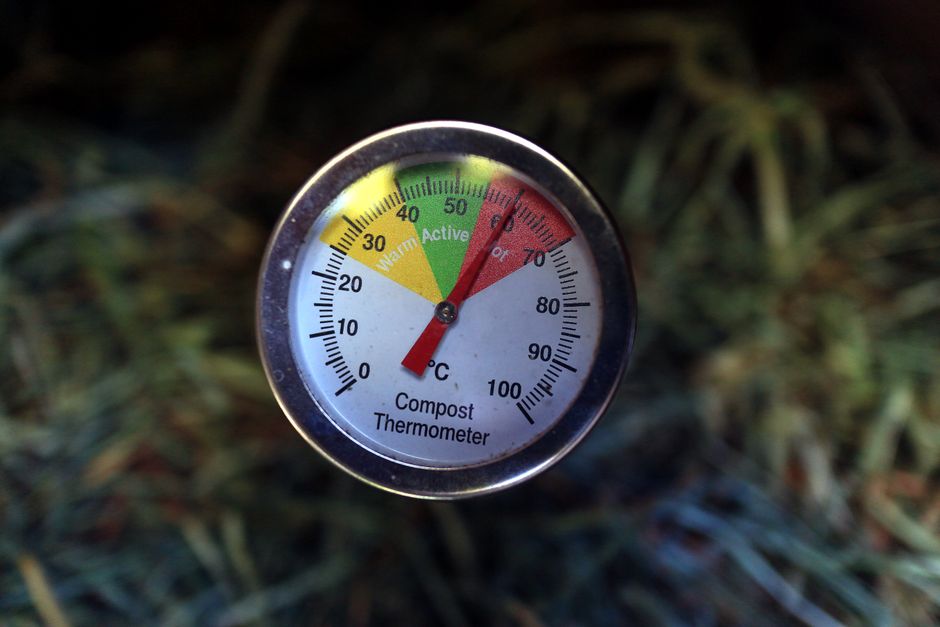
The decomposition process also generates heat, which can reach temperatures between 55°C and 65°C in a well-managed pile. This heat helps to break down materials and can also kill weed seeds and pathogens. However, the temperature depends on the pile size, moisture, and aeration, and it may vary during the composting period. It is important to monitor the pile and adjust conditions as needed to maintain an active decomposition process.
Selecting a Location and Building the Pile
Choosing the right location for your compost pile is essential for its success. Ideally, the pile should be placed on bare soil, as this allows beneficial organisms like earthworms to enter the pile and aid in decomposition. A spot with partial shade is recommended, as it can prevent the pile from drying out in hot weather and protect it from excessive rain. In colder regions like Estonia, a sunny location might be beneficial to help maintain warmth during cooler months, but it should not be overly exposed to elements.
Once you have selected the location, you can start building the pile. Begin by laying a base of coarse, woody materials, such as small branches or twigs, to promote airflow from the bottom. Then, alternate layers of brown and green materials, aiming for a 3:1 ratio of browns to greens by volume. Each layer should be about 10-15 centimeters thick. Moisten each layer as you go, ensuring that the pile is damp but not waterlogged. A simple way to test moisture is to squeeze a handful of material; it should feel like a wrung-out sponge.
The size of the pile also matters. A pile that is too small may not generate enough heat, while a pile that is too large can limit oxygen flow. A good dimension is about 1.2 meters in height and width, allowing for adequate insulation and aeration. You can use a compost bin or build an open pile, depending on your space and aesthetic preferences. The key is to maintain structure and make turning easier.
Maintaining the Compost: Turning and Moisture Control
Turning the compost pile is essential for introducing oxygen and ensuring even decomposition. A regular turning schedule helps to speed up the process and produce quality compost. For beginners, turning the pile every one to two weeks is a reasonable frequency. However, the ideal schedule depends on various factors, such as the materials used, weather conditions, and the desired speed of decomposition. Some composters turn frequently, while others adopt a more passive approach.
When turning, use a pitchfork or a compost aerator to move the outer materials into the center and bring the inner materials to the outside. This redistributes moisture and heat, preventing anaerobic pockets from forming. Turning also incorporates fresh oxygen, which is vital for aerobic microorganisms. If you notice a foul odor, it may indicate that the pile is too wet or lacking oxygen, and turning can help rectify this.
Moisture is another critical factor. The pile should be kept consistently damp, but not saturated. In Estonia’s climate, rainfall can be abundant, so you may need to cover the pile during heavy rains to prevent waterlogging. Conversely, during dry periods, you may need to water the pile. A moisture level of 40-60% is ideal, and you can monitor it by feeling the consistency. The pile should be like a damp sponge, with droplets that are just visible when squeezed.
Balancing Greens and Browns
The ratio of greens to browns is one of the most crucial aspects of composting. Greens provide nitrogen, which is needed for microbial growth, while browns supply carbon, which serves as an energy source. Too many greens can lead to a slimy, smelly pile, while too many browns can slow down decomposition. A good rule of thumb is to add about 2 to 3 parts browns for every 1 part greens by volume. This ratio may be adjusted based on the materials’ moisture content and particle size.
Examples of greens include grass clippings, vegetable scraps, fruit peels, coffee grounds, tea bags, and fresh plant trimmings. Browns include dry leaves, straw, hay, shredded paper, cardboard, and wood chips. It is important to chop or shred materials into smaller pieces to increase the surface area for microorganisms. For instance, breaking down branches or cutting up thick stalks can speed up the process.
Balancing the pile is an ongoing process. As you add new materials, you should mix them well with the existing pile to maintain the ratio. If you notice that decomposition is slow, you may need to add more greens. Conversely, if the pile is wet and odorous, adding more browns can help absorb excess moisture. Adjusting the balance is part of the iterative process of composting.
Troubleshooting Common Issues
Even with careful attention, compost piles can encounter issues. A common problem is a foul odor, which often indicates anaerobic conditions. This can occur if the pile is too wet or compacted. To fix this, turn the pile to introduce air and add dry, brown materials to absorb moisture. Another issue is a dry, slow pile, which may not be decomposing. In this case, water the pile and turn it to distribute moisture.
Pests can also be a concern, especially if you add meat, dairy, or oily foods. To avoid attracting rodents and flies, it is best to exclude these items from your compost pile. Instead, stick to yard waste and plant-based kitchen scraps. Additionally, you can bury food scraps in the center of the pile to deter pests.
During the winter in Estonia, the compost pile may freeze, slowing down decomposition. Insulating the pile with a layer of straw or a compost blanket can help maintain heat. The decomposition process does not stop entirely, but it slows significantly. When spring arrives, the pile will resume activity. Patience is key, as composting is a gradual process that depends on environmental conditions.
If the pile remains always wet and slimy, it may be due to an excess of nitrogen-rich materials. Add more carbon-rich browns, such as leaves or paper, to balance the pile. Conversely, if the pile is too dry and dusty, add water and green materials to increase moisture and nitrogen. Monitoring and adjusting are essential skills for successful composting.
Using Finished Compost
Finished compost, also known as humus, is a dark, crumbly, earthy-smelling material that no longer resembles the original inputs. It is typically ready after 3 to 6 months, depending on weather and maintenance. To test if your compost is ready, you can sample a small amount and notice that it has a pleasant, soil-like odor and a uniform texture. Unfinished materials may remain visible, and the compost should be left to mature further.
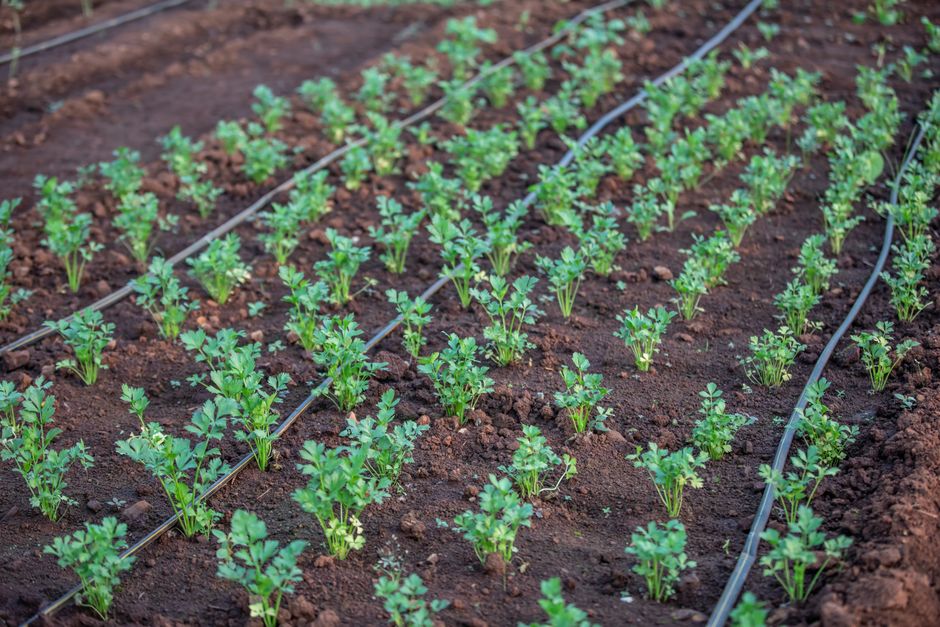
Using finished compost in your garden is a beneficial way to improve soil structure, fertility, and water retention. It can be mixed into the soil before planting, used as a top dressing for established plants, or incorporated into potting mixes. In Estonia, where soils can be sandy or clayey, compost helps to balance the texture and enhance nutrient availability. It is important to remember that compost is a soil amendment, not a fertilizer, and its nutrient content varies.
When applying compost, you can spread a layer of 2-5 centimeters over the soil and work it in, or use it as a mulch. For perennial beds, a side dressing of compost around the base of plants is beneficial. Compost can also be used to make compost tea, a liquid extract that can be applied to plants as a mild foliar feed. The methods of application depend on your gardening goals and the current soil condition.
It is advisable to avoid using compost that is not fully matured, as it can rob the soil of nitrogen as it continues to decompose. If you are in doubt, wait a few more weeks. The process of using compost is a rewarding culmination of the efforts put into creating it, and it completes the cycle of organic waste management in your backyard.